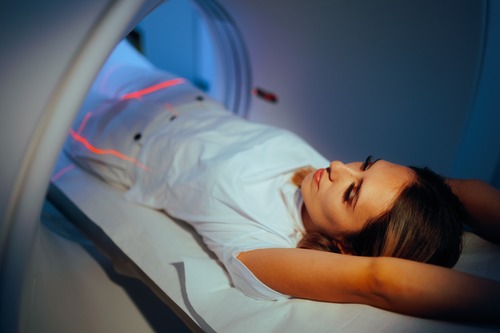
How They Work
CT (computed tomography) uses X-rays to create cross-sectional images of the body. It is fast and excellent for visualizing bone fractures, internal bleeding, and other acute injuries.
MRI uses magnetic fields and radio waves to create detailed images of soft tissues including muscles, tendons, ligaments, cartilage, nerves, and the brain. MRI takes longer but provides superior soft tissue detail.
When CT Is Preferred
CT is often used in emergency settings because it is faster and better at detecting acute bone fractures and internal bleeding. In trauma situations, CT may be the first imaging ordered.
CT is also preferred when MRI is contraindicated due to metal implants or patient claustrophobia.
Why MRI Is Often Better for Car Accident Injuries
Most of the significant injuries in car accident cases — disc herniations, soft tissue tears, ligament injuries, and traumatic brain injuries — are best visualized on MRI.
CT can miss these soft tissue injuries entirely. For personal injury cases, MRI typically provides far more valuable documentation of injuries than CT.